Proper inspection and setup of an automotive spray gun is essential before starting any refinishing job. This guide explains the professional checklist technicians follow to ensure spray pattern stability, atomization quality, and consistent coating performance.
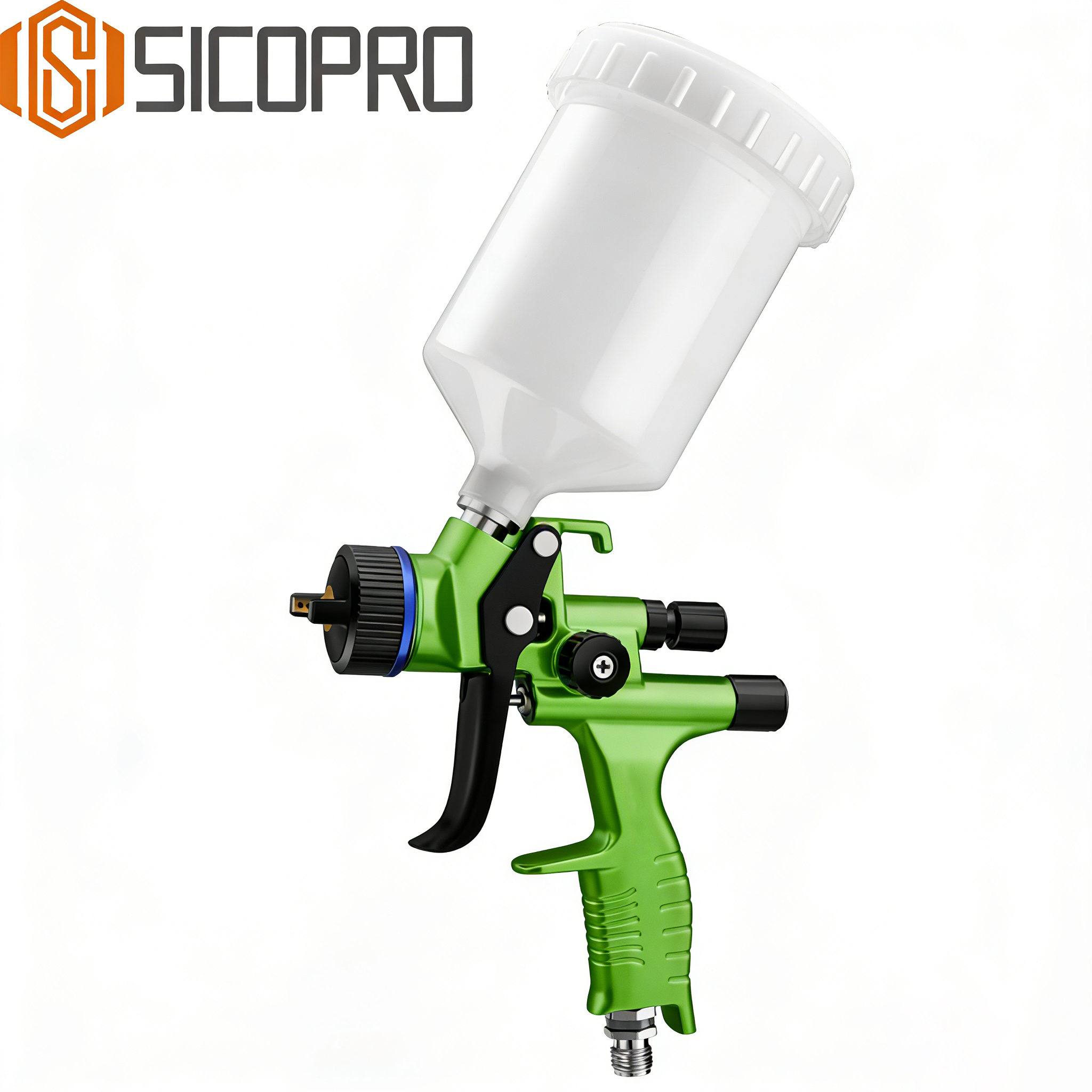
Professional Spray Gun Inspection Procedures Before Automotive Painting
Before starting any automotive refinishing job, experienced painters always perform a full spray gun inspection. Proper preparation ensures stable atomization, balanced airflow, and consistent coating results.
1. Air Supply and Pressure Check
Verify that the air compressor delivers stable pressure between 1.8–2.2 bar depending on the spray gun design. Install an air regulator near the gun handle to maintain stable airflow.
2. Nozzle and Needle Alignment Inspection
Remove the air cap and fluid nozzle to inspect wear or paint residue. Even small debris can affect atomization quality and fan pattern consistency.
3. Spray Pattern Test
Spray onto a test panel to evaluate fan width, atomization particle size, and coating distribution. Adjust the fan control and fluid knob to achieve a balanced spray pattern.
4. Fluid Flow Calibration
Set the fluid adjustment screw so that paint flow matches the viscosity of the coating. Professional technicians typically test with basecoat or primer systems before final painting.
Proper preparation of tools such as the sicopro spray gun or an LVLP spray gun ensures efficient atomization and reduces overspray during automotive refinishing.
READ MORE
Standard Development and Quality Control Workflow for Automotive Spray Guns